

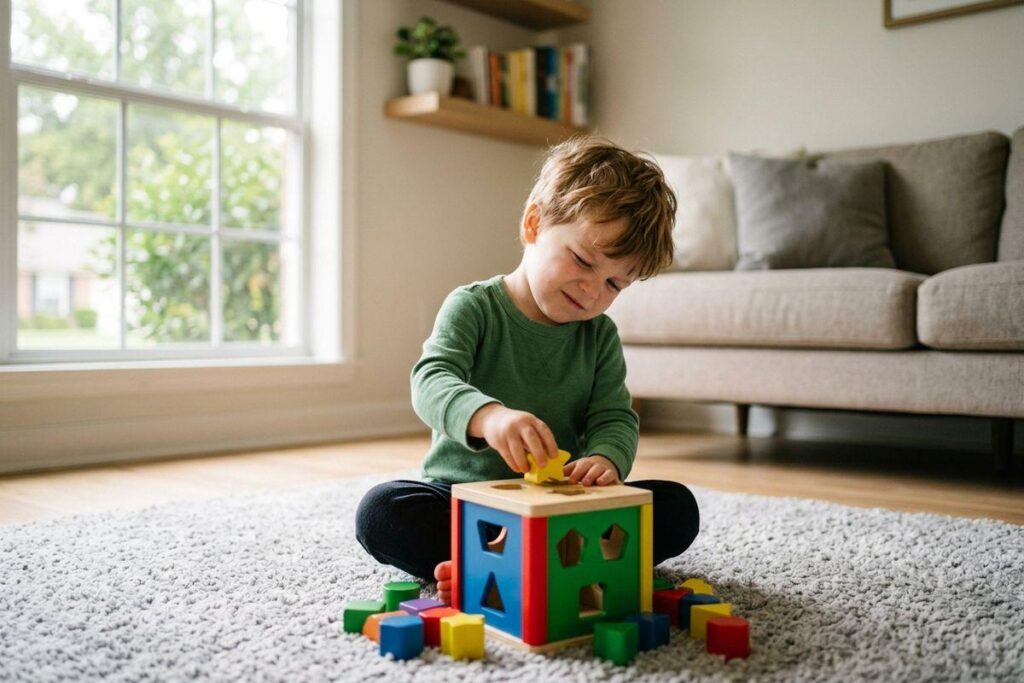
Your child comes home from school with a headache, again. Maybe they tilt their head at the TV, squint at the whiteboard, or hold their book closer than seems normal. It’s easy to blame tiredness or too much screen time, but the real explanation is often simpler than that.
Yes, children can develop astigmatism, and it’s one of the most common vision conditions optometrists see in kids of all ages. The good news is that it’s manageable, especially when an optometrist spots it early during a children’s eye exam.
What Astigmatism Actually Is
Picture a perfectly round eye, like a basketball. Light enters and bends evenly, landing cleanly on the retina.
With astigmatism, the cornea takes on more of a football shape, curved more in one direction than another. That uneven curve bends light unevenly too, so instead of a crisp image, your child sees something blurry, stretched, or doubled.
Astigmatism can affect one eye or both, and it can show up at any age. Plenty of kids have it from birth without anyone realizing it until a comprehensive exam brings it to light.
Why Some Kids Get Astigmatism
Genetics play a big role here, but a few other factors matter too.
The Role of Genetics
Astigmatism often runs in families. If you or your partner have it, your child faces a higher chance of developing it as well.
Like many other genetic eye disorders, that doesn’t make it a certainty, but it does mean early attention is a smart move.
Other Factors Worth Knowing
A child’s eye shape changes fast in the early years, and that rapid growth is part of why vision conditions can develop or change during that window.
Kids born prematurely tend to face a higher likelihood of astigmatism, along with other refractive errors. And in some cases, an eye injury can alter the shape of the cornea and lead to astigmatism later on.
Signs Your Child Might Have Astigmatism
Kids rarely know their vision is off, since they have nothing to compare it to. That’s exactly why the behavioral signs matter so much. Watch for these:
- Frequent squinting
- Head tilting when looking at something up close or far away
- Headaches
- Eye soreness
- Trouble seeing the board at school or recognizing faces from a distance
These signs don’t always point to astigmatism specifically, but they’re worth a closer look regardless. Uncorrected refractive errors like astigmatism can contribute to headaches caused by bad eyesight, so don’t brush off persistent head pain in your child.
Can a Child Outgrow Astigmatism
Sometimes, yes, a child can outgrow their astigmatism. Other times, it needs a little help along the way.
Mild astigmatism in infants sometimes improves on its own, often by around 12 months as the eye continues developing. If it’s still present at age 3 or 4, though, it’s unlikely to go away without some form of treatment.
Higher levels of astigmatism typically call for corrective lenses to help your child see clearly.
Beyond comfort, there’s another reason early correction matters: untreated astigmatism can raise the risk of amblyopia, commonly called lazy eye, where the brain starts favoring one eye over the other. Address it early, and you support healthy visual development during the years when your child’s eyes are still forming.
Eye Exams and Next Steps for Your Child
Getting ahead of astigmatism starts with routine exams, not waiting around for symptoms to show up. Yearly visits to your optometrist make it easier to track how your child’s vision changes over time.
How an Optometrist Can Help
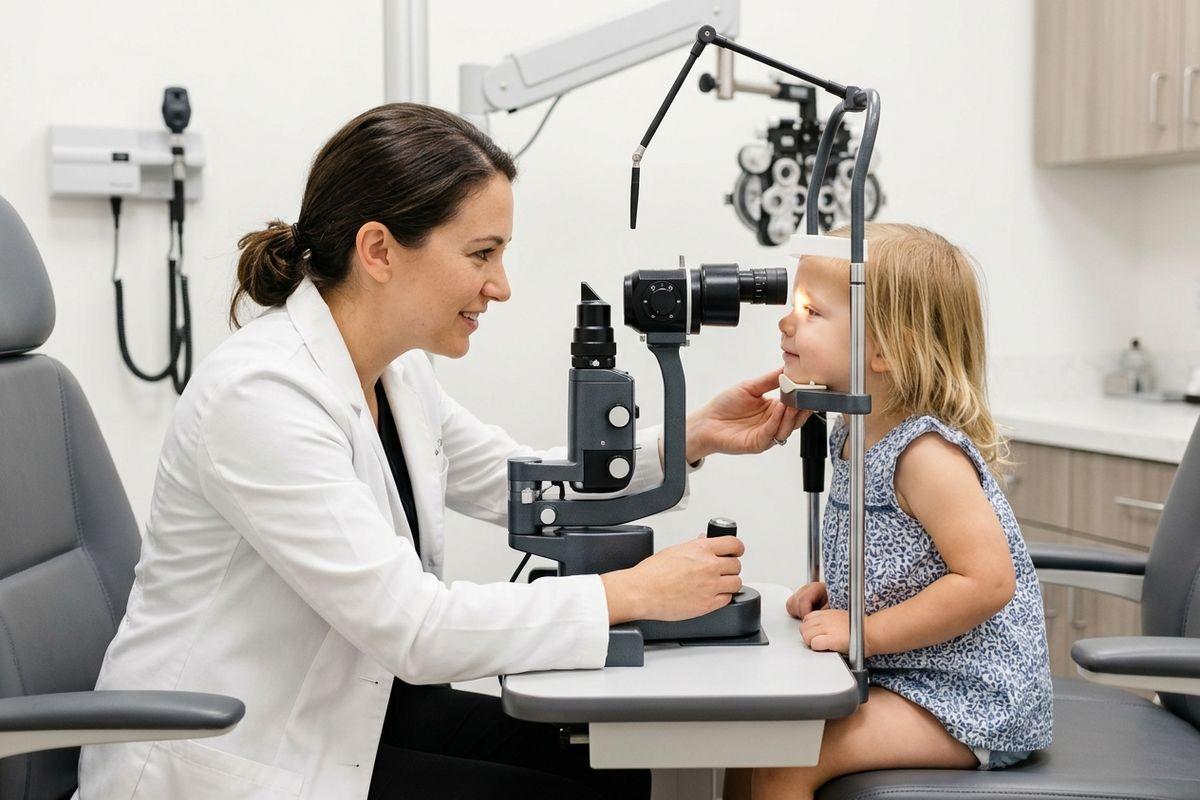
School vision screenings flag some problems, but they miss plenty more. A thorough exam goes deeper, checking for conditions like astigmatism that a quick chart reading won’t reveal.
Optometrists work with patients of all ages, including toddlers, and build a plan based on what your child actually needs.
Give Your Child’s Eyes the Attention They Deserve
If you’ve noticed any of these signs, or you just want peace of mind, schedule an exam. It’s a simple next step, and it puts you in a much better position to understand your child’s vision.
Visit Total Vision Rancho Santa Margarita and let our optometrists take a close look at your child’s eyes. Book an appointment today and get real answers instead of guesswork.