


Blurred vision means your sight has lost its sharpness. Most people assume it means it’s time for stronger glasses. That’s often where it starts, though blur can also trace back to your tear film, your blood sugar, or a change deeper in the eye that an optometrist would spot during a comprehensive eye exam.
There’s no single cure for blurred vision, but nearly every cause has a path forward once you identify it. A few clear up within a day, while others need correction or ongoing care for an underlying eye condition.
Signs That Come Along with Blurry Vision
Blur rarely travels alone. Take note if you’re also dealing with any of these common eye symptoms:
- Headaches after reading or screen work
- Sensitivity to bright light
- Redness or a gritty feeling in your eyes
- Double vision or halos around headlights at night
- Blind spots that seem to move with your gaze
Write down when these started and what makes them worse. That detail helps your optometrist narrow things down faster than the blur alone.
Common Causes of Blurred Vision
Blurred vision doesn’t have a single cause. It’s more like a symptom with a long list of possible explanations, some routine and some more serious.
Everyday Contributors
Plenty of blurry vision traces back to how you spend your day rather than to disease. Dry eye tops the list, especially if you work at a screen, sit under a vent, or spend time outdoors in the wind. Tears smooth the surface of your cornea. When that layer breaks up too quickly, focus goes soft between blinks.
Eye strain from long stretches of screen time can produce temporary blurring that fades once you rest. Seasonal allergies are another frequent factor, leaving eyes irritated, watery, and hard to focus with.
Eye and Health Conditions
Other times, blur comes from the structure of the eye itself or from a health issue showing up in your vision.
Refractive errors like nearsightedness, farsightedness, and astigmatism are among the most common causes of blurry vision. Without correction, the eye can’t focus light properly, and everything looks soft or distorted. Cataracts, glaucoma, and macular degeneration can also cause blurred vision, often gradually.
Your general health matters here as well. High blood sugar swells the lens and can damage retinal blood vessels, so diabetic eye disease often turns up at an exam before a patient notices anything.
When Blurred Vision Can Go Back to Normal
The answer depends entirely on the cause. Blur from dryness, allergies, or a long day at the computer usually resolves once the trigger goes away. Rest and a few good blinks do a lot of the work.
Refractive errors will affect you until you correct them. Cataracts and glaucoma need active treatment to keep your vision stable over time.
Simple Relief for Temporary Blur
If your blur is tied to strain or dryness, a few habits can help:
- Follow the 20-20-20 rule: every 20 minutes, look at something 20 feet away for 20 seconds.
- Use artificial tears to ease dryness and help your eyes stay comfortable.
- Keep windows closed and air filters running during high-pollen days to reduce allergen exposure indoors.
Treatments That Bring Things Back into Focus
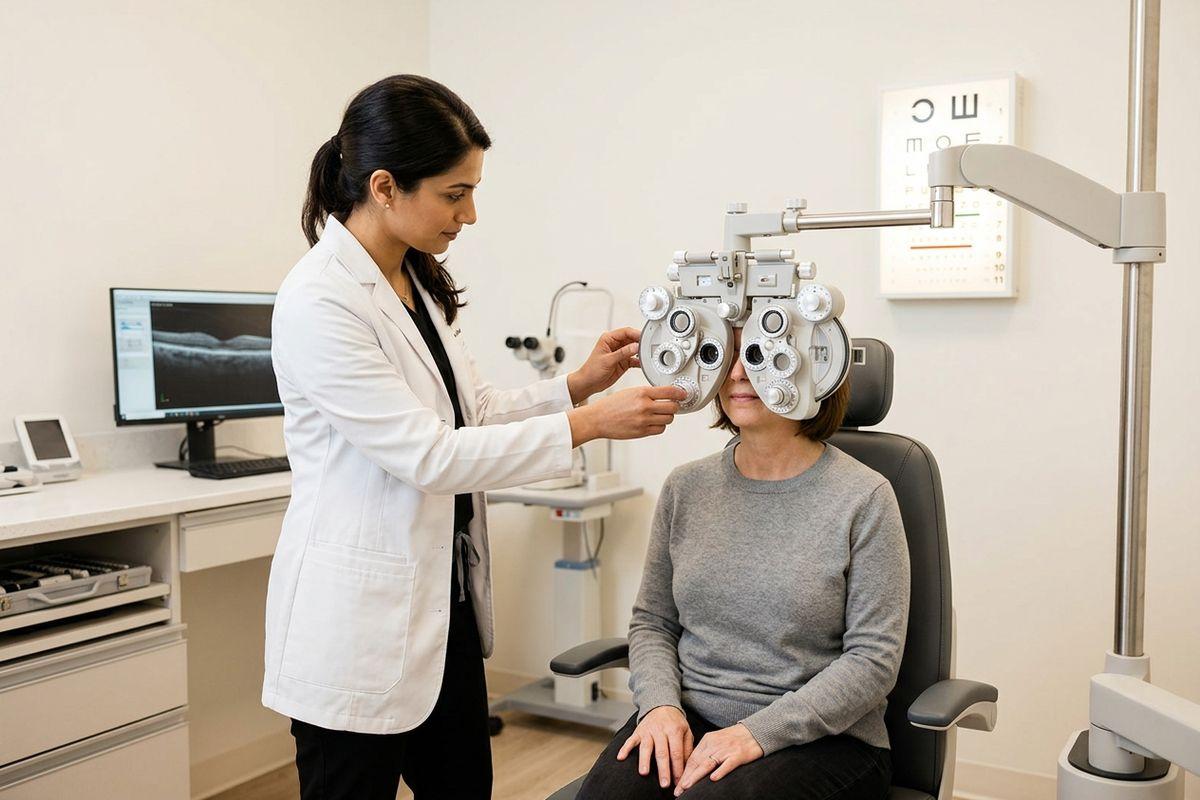
Correction handles the majority of cases. Glasses and contact lenses bend light so it lands where it should, and your prescription gets fine-tuned as your eyes change over the years. Laser eye surgery suits some patients who want to rely less on lenses, though candidacy depends on corneal thickness, prescription stability, and overall eye health.
Medical Treatment for Underlying Conditions
Medical treatment targets the source when another condition causes blurry vision. Prescription drops lower eye pressure in glaucoma and calm inflammation in dry eye. Managing blood sugar supports retinal health for people living with diabetes. Cataract surgery replaces the clouded lens with a clear implant, and certain retinal conditions call for injections or laser treatment.
Some people need more than one approach at once, and that’s normal.
How Regular Eye Care Helps Protect Your Vision
One of the most practical things you can do for your eyes has nothing to do with waiting for something to go wrong. Routine eye exams can detect developing problems like glaucoma or early macular changes before you notice any symptoms yourself. That kind of early awareness gives you and your optometrist more options.
Most adults benefit from an exam every 1 to 2 years. Go more often if you have diabetes, a family history of eye disease, or a prescription that keeps changing.
Outside of the exam room, a few daily choices add up over time. Foods rich in vitamin A, like leafy greens, carrots, and eggs, support long-term eye health. Wearing UV-protective sunglasses reduces cumulative sun exposure to the lens and retina, which matters more than most people realize over years of time outdoors.
When to See an Optometrist for Blurry Vision
A handful of symptoms call for emergency eye care instead of a scheduled visit. Contact an optometrist immediately if you notice:
- Sudden vision loss in one or both eyes
- Severe eye pain
- Blur alongside dizziness, facial drooping, or slurred speech
- Any vision change after a head injury
These can signal a medical emergency that needs attention right away.
Bring Your Blurry Vision Back into Focus
Blurred vision is information. It tells you something in your visual system wants attention, and the fix ranges from a new prescription to treatment for a condition you didn’t know you had.
Stop guessing at the cause. Our optometrists at Total Vision Rancho Santa Margarita can examine your eyes, explain what they find in plain language, and walk you through your options. Book your appointment and find out what’s behind the blur.